
-
 临近幸福
临近幸福
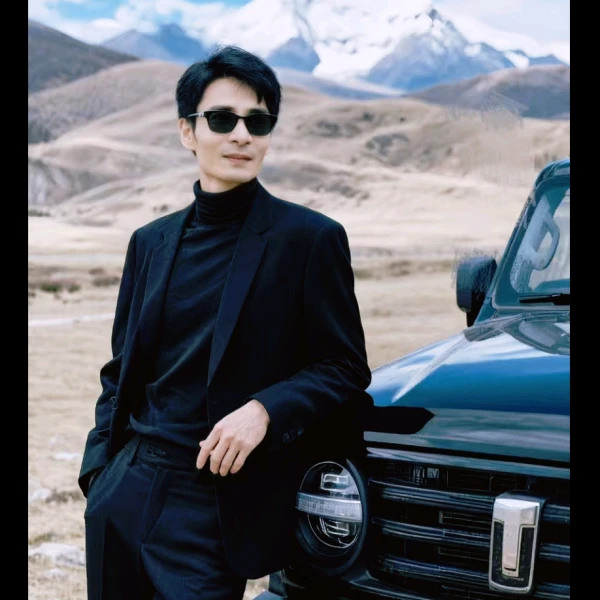
10小时前 倾听者 关注我们寻求短暂的隐世,并非逃离生活,而是找回内心的安宁。在云南辽阔的苍穹之下,望着缓缓流动的云与缓缓沉落的落日,沉入安静的放空。这便是所谓小隐:借由自然的庇护,暂时抽离尘世喧嚣。真正的超脱并不全然依附外在环境。在这里凝望、发呆的时刻,修补着灵魂被消耗的部分。隐退不是逃避,它留给我们自我重整的空间,让我们可以带着更清明的觉知、更柔和的力量,重新回归世俗人间。 We seek temporary seclusion not to flee from life, but to reclaim our inner quiet. Beneath Yunnan’s vast blue sky, watching slow‑drifting clouds and fading sunset, I sink into quiet stillness. This is the so‑called minor seclusion: stepping away from worldly noise through nature’s gentle shelter. True inner detachment does not rely entirely on external surroundings. Moments of gazing and day‑dreaming here mend the frayed parts of the soul. It teaches us that retreat is not an escape. It gives us space to reset ourselves, so we may return to ordinary life with clearer perception and gentler strength.
 0 2
0 2
-
Jonathan Haidt uses the metaphor of rider and elephant to describe human inner worlds. The rider stands for rational thinking while the elephant represents powerful emotional impulses. The rider cannot force the huge elephant to move by sheer willpower alone. What real self‑improvement teaches us is to understand where the elephant wants to go instead of constantly fighting against it. Only after acknowledging emotional demands can rationality offer practical directions for life choices. 中文:乔纳森·海特用骑象人与大象比喻人的内心,骑象人代表理性思考,大象代表强大的感性冲动。骑象人无法单凭意志强行驱使庞大的大象。真正的自我成长教会我们,不要持续对抗大象,而是理解它想要去往何方。只有看见情绪的诉求,理性才能为人生选择提供可行方向。
-
We often treat reason and emotion as opposing forces in inner growth, yet they are not enemies to defeat one another. Reason sorts out facts, predicts consequences and guards us from reckless impulses. Emotions deliver authentic inner signals that cold logic can never fully capture. True maturity does not mean suppressing feelings with rigid rationality. It means learning to listen to inner feelings first, then applying rational thinking to interpret and guide them. 中文:成长路上,我们常常把理性与感性视作彼此对抗的两股力量,但二者并非需要互相战胜的敌人。理性梳理事实、预判后果,守护我们免于鲁莽冲动;感性传递冰冷逻辑无法捕捉的真实内心信号。真正成熟,不是用刻板理智压抑感受,而是先倾听内在情绪,再用理性去解读、引导情绪。
-
很多人把被环境接纳等同于忠于自我。他们以为只要足够调整自己,就可以获得人际群体的全部认可。但没有人可以满足环境所有期待。追逐外界百分百的认同,会迫使你不断按照他人标准重塑自我。平衡的智慧,是接纳部分的不被理解。你可以渴求联结,但不必要求周遭所有人完全读懂、肯定你。 Many people confuse being accepted by surroundings with being true to themselves. They believe if they adjust thoughts and behaviors well enough, they can gain universal recognition from interpersonal groups. Yet no individual can satisfy all expectations from their environment. Pursuing complete outer approval will keep you reshaping yourself endlessly according to others’ standards. The balance wisdom is to accept partial misunderstanding. You can seek connection without demanding everyone around you fully comprehend and affirm who you are.
-
我们寻求短暂的隐世,并非逃离生活,而是找回内心的安宁。在云南辽阔的苍穹之下,望着缓缓流动的云与缓缓沉落的落日,沉入安静的放空。这便是所谓小隐:借由自然的庇护,暂时抽离尘世喧嚣。真正的超脱并不全然依附外在环境。在这里凝望、发呆的时刻,修补着灵魂被消耗的部分。隐退不是逃避,它留给我们自我重整的空间,让我们可以带着更清明的觉知、更柔和的力量,重新回归世俗人间。 We seek temporary seclusion not to flee from life, but to reclaim our inner quiet. Beneath Yunnan’s vast blue sky, watching slow‑drifting clouds and fading sunset, I sink into quiet stillness. This is the so‑called minor seclusion: stepping away from worldly noise through nature’s gentle shelter. True inner detachment does not rely entirely on external surroundings. Moments of gazing and day‑dreaming here mend the frayed parts of the soul. It teaches us that retreat is not an escape. It gives us space to reset ourselves, so we may return to ordinary life with clearer perception and gentler strength.
-
Growth never happens in static isolation, it unfolds within the tension between self and surroundings. When you stay completely inside your comfort zone, surrounded by people who fully agree with you, you will lack external stimulation to trigger inner reflection. When you immerse yourself in overly conflicting environments, you will suffer constant psychological consumption. The ideal state is proper tension: receive different voices, keep enough inner safety space, absorb what serves your growth and filter what damages your inner wholeness. 成长从不发生在静止的孤立之中,它展开于自我与环境的张力之间。完全待在舒适区,身边全部是认同你的人,你会缺少触发反思的外部刺激;长期浸泡在过度冲突的环境,心灵持续被消耗。理想是维持适度张力:接收不同声音,保留充足内在安全空间,吸纳滋养成长的部分,过滤破坏内在完整的部分。
-
Social interaction requires us to play different social roles according to different scenes, as Erving Goffman’s symbolic interaction theory describes. We adjust speech, posture and self‑presentation to fit social expectations. The risk emerges when we mistake these performed social roles for our authentic self. Healthy balance is to understand role‑playing is a necessary social skill, without letting performed identities swallow the core self. You can adapt to surroundings without becoming a product of social performance. 戈夫曼符号互动理论提出,社会互动要求我们根据场景切换不同社会角色。我们调整言语姿态、自我呈现,适配社会期待。危险在于,把表演出来的社会角色,误当成真实自我。健康的平衡,明白角色扮演是必要社交技能,但不让表演出来的身份吞噬内核。你可以适应环境,但不必活成社会表演的产物。
-
Carl Rogers’s humanistic psychology holds that every individual carries an innate tendency toward self‑actualization. Supportive interpersonal atmosphere can unlock this inner tendency, while cold, judgment‑filled surroundings may suppress it for a long time. Even under unfavorable outer conditions, the inner growth impulse never vanishes entirely. Balancing outer influence and inner growth means we do not blame environment indefinitely for stagnation, nor do we deny real harm brought by bad surroundings. We see both outer constraints and our inner potential to respond. 罗杰斯人本主义心理学提出,每个人与生俱来拥有自我实现的倾向。支持性的人际氛围可以释放这份内在驱力,充满评判、冷漠的环境会长期压抑它。即便外部处境恶劣,内在成长冲动也不会彻底消失。平衡外界影响与自我成长,既不把停滞全部归咎环境,也不否认糟糕环境真实造成的伤害;既看见外部束缚,也看见我们内在回应的潜能。
-
Environment shapes our perception options, but it cannot force us to adopt a certain interpretation of reality. Two individuals can live within identical social surroundings and similar interpersonal circles, yet build totally different inner worlds. Outer events provide raw material, while meaning is assigned by our own consciousness. The balance point lies in this distinction: acknowledge objective restrictions brought by environment, meanwhile guard the freedom to interpret experience subjectively. Circumstances constrain what happens to you; you decide what those events mean to you. 环境塑造我们感知的选项,却无法强迫我们用某一种方式解读现实。两个人身处一样的社会环境、相似人际圈,依然可以构建完全不同的内在世界。外部事件只是原始素材,意义由我们的意识赋予。平衡点就在于此:承认环境带来客观限制,同时守护主观解读体验的自由。境遇决定发生在你身上什么,而你决定这些事对你意味着什么。
-
欧文·亚隆提醒我们,无论人际联结多么深厚,每个人都保有根本的存在性孤独。再亲密的关系,也消弭不了两个灵魂之间的缝隙。很多人拼命追逐关系与理想环境,只为逃离内在孤独。真正的成长,是先接纳这份本质孤独,再带着独立的内心走向关系。走向他人,不是为填补内在空洞,而是去分享已然完整的内心世界。 Irvin Yalom reminds us that every human being retains ultimate existential loneliness, no matter how deep our interpersonal bonds become. Even the closest relationships cannot completely eliminate the gap between two individual souls. Many people desperately chase relationships and favorable surroundings in order to escape inner solitude. Yet growth happens when we accept the essential loneliness first, then approach connections with independent inner state. We come to others not to fill our inner void, but to share our already‑complete inner world.
-
Carl Jung observed that what irritates us most in other people often reveals the unacknowledged parts inside ourselves. Interpersonal encounters act as psychological mirrors, showing us shadows we suppress. Some people respond to uncomfortable reflections by arguing with the outer world, blaming surroundings and other people for all inner unrest. Mature processing mode is to treat interpersonal friction as observation material rather than merely external fault. We engage with the environment to know ourselves better, instead of using environment to endlessly prove we are right. 荣格观察到:那些最容易激怒我们的他人特质,往往映照出我们内在不愿承认的部分。人际相遇是心理镜子,照见我们压抑的阴影。有些人面对令人不适的映照,会向外争辩,把内心动荡全部归罪环境与他人。成熟的处理方式,是把人际摩擦当作观察素材,不简单归为外部过错。我们借由环境认识自我,而不是借环境无休止证明自己正确。